
Best areas in Tasmania for UK expats 2026
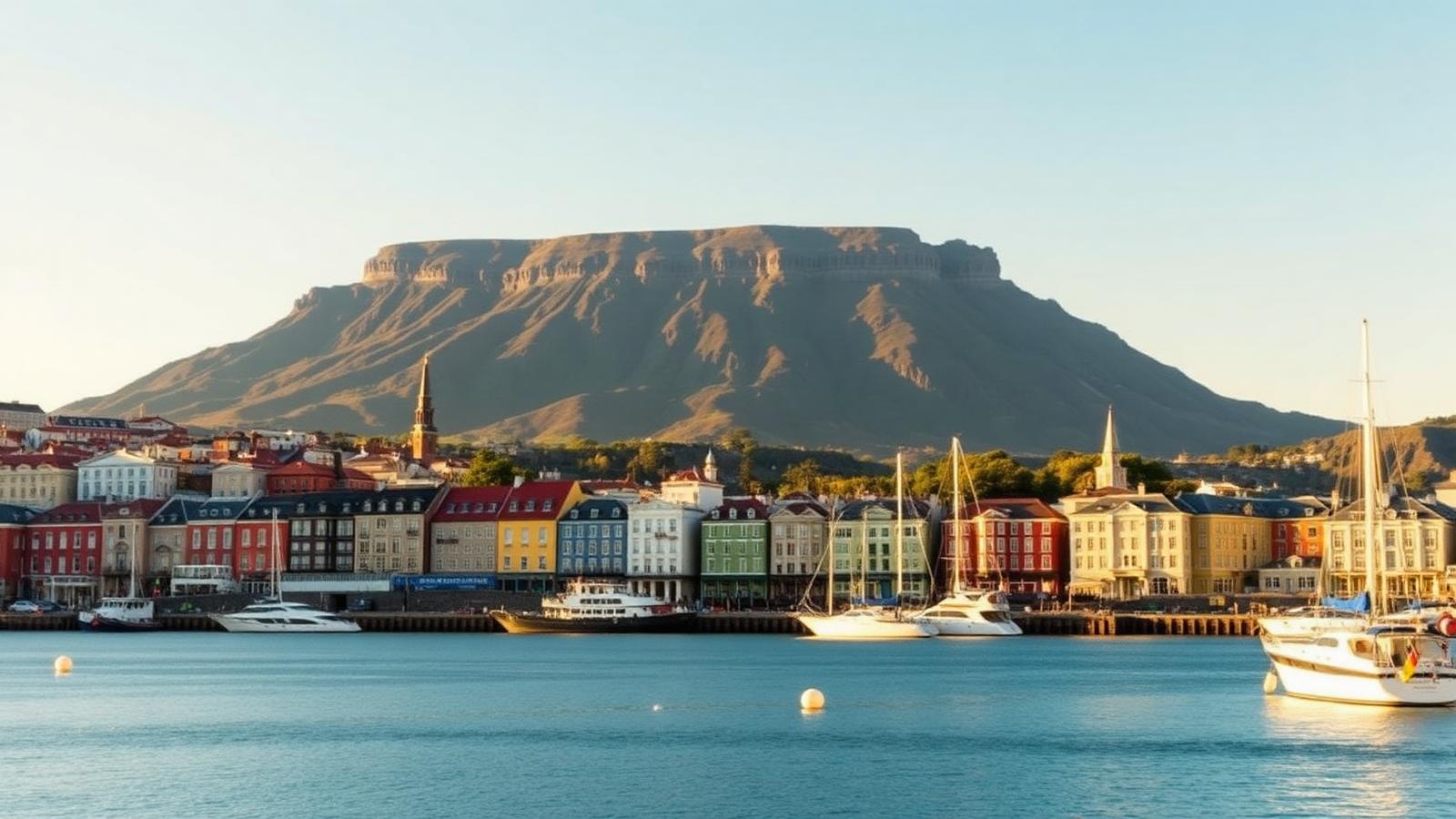
Tasmania is Australia's best kept secret — and the UK expats who discover it tend to wonder why they ever considered anywhere else. It's staggeringly beautiful, genuinely affordable, has a world-class food and arts scene that belies its small size, and offers a pace and quality of life that's increasingly hard to find in mainland Australia.
Why Tasmania for UK expats
Tasmania sits 240km south of mainland Australia across the Bass Strait and has a character entirely its own. The landscape — dramatic mountains, ancient rainforests, pristine beaches, wild coastline — is unlike anywhere else in Australia. MONA has put Tasmania firmly on the international cultural map. The food scene, anchored by exceptional local produce including world-class seafood, cheese, whisky and cool-climate wine, punches far above its weight.
For UK expats specifically, the climate feels comfortingly familiar — cool, changeable, with four distinct seasons. Tasmania is also significantly more affordable than mainland Australia. Property prices, while rising, remain well below Sydney or Melbourne levels.
Quick overview
Climate: Temperate oceanic. Summers (Dec–Feb) are mild and pleasant, 17–25°C. Winters (Jun–Aug) are cool to cold, 3–12°C with occasional snow at altitude. Weather is changeable year-round.
Cost of living: Low to moderate. The most affordable Australian state capital after Adelaide. Budget A$1,400–A$2,600/month for rent depending on area.
Vibe: Relaxed, creative, foodie, outdoorsy, strongly community-oriented. Anti-development sentiment is strong — Tasmanians are protective of their environment and way of life.
Getting there: No direct flights from London to Hobart — fly to Melbourne or Sydney and connect (1–1.5 hours). Total travel time from London approximately 24–26 hours. Ferry from Melbourne to Devonport takes 9–11 hours if you want to bring a car.
Best neighbourhoods for UK expats
Battery Point & Sandy Bay (Hobart)
Battery Point is Hobart's historic heart — narrow cobblestone streets, colonial sandstone cottages, and one of Australia's best-preserved 19th century streetscapes. Sandy Bay sits just to the south with excellent restaurants, cafés, and one of Hobart's best shopping strips along Sandy Bay Road. Both are walkable to the Hobart CBD and the famous Salamanca Market.
Rent (2-bed): A$2,200–A$3,000/month
Best for: Professionals, couples, those who want character and history
Downsides: Expensive by Hobart standards, very limited parking, Battery Point can feel quiet
North Hobart
Hobart's bohemian quarter has transformed dramatically over the last decade. Elizabeth Street in North Hobart is now one of Australia's most celebrated restaurant strips. The area has a creative, young feel, excellent independent cafés and bars, and is increasingly popular with UK expats who want inner-city energy at a fraction of Melbourne or Sydney prices.
Rent (2-bed): A$1,800–A$2,600/month
Best for: Young professionals, creatives, foodies
Downsides: Parking is difficult, some streets are still rough around the edges, hilly
Bellerive & Rosny (Hobart East Shore)
Sitting across the Derwent River from the CBD, the Eastern Shore has grown significantly in popularity. Bellerive has a beautiful foreshore, good cafés and restaurants, and excellent access to beaches and reserves. Rosny is more suburban but very family-friendly with good schools and amenities. Both are connected to the CBD by ferry.
Rent (2-bed): A$1,600–A$2,200/month
Best for: Families, those who want beach access and space at lower cost
Downsides: Car is helpful, ferry timetable isn't always convenient
Kingston & Blackmans Bay
South of Hobart, Kingston is extremely popular with families. It has good schools, large affordable homes, a relaxed community feel, and easy access to some of Tasmania's most beautiful natural areas. Blackmans Bay sits just south and has a beautiful beach and more of a village feel.
Rent (2-bed): A$1,600–A$2,000/month
Best for: Families, outdoor enthusiasts
Downsides: Car-dependent, 20–30 minute commute to Hobart CBD
Launceston
Tasmania's second city sits in the north of the island and is worth serious consideration for UK expats who want affordability, character, and a slower pace. The Gorge — a dramatic natural gorge right on the edge of the city centre — is extraordinary. The food and wine scene has improved dramatically and property prices are significantly lower than Hobart.
Rent (2-bed): A$1,200–A$1,800/month
Best for: Families, retirees, remote workers
Downsides: Smaller job market than Hobart, limited direct international connections, winters can be cold
Freycinet & the East Coast
For UK expats who want to escape urban life entirely, Tasmania's East Coast is incomparable. Freycinet National Park, Wineglass Bay, and the string of small towns along the Tasman Highway offer a lifestyle as far from London as it's possible to imagine. Remote work has made this a realistic option for the first time.
Rent (2-bed): A$1,200–A$1,800/month
Best for: Remote workers, retirees, lifestyle seekers
Downsides: Very remote, limited amenities, limited healthcare access
Cost of living snapshot
| 2-bed apartment rent (Hobart inner) | A$1,800–A$2,800/month |
| 2-bed apartment rent (outer/Launceston) | A$1,200–A$1,800/month |
| Weekly groceries (2 adults) | A$110–A$180 |
| Eating out (mid-range, 2 people) | A$60–A$100 |
| Monthly transport pass | A$100–A$130 |
| Utilities (electricity, gas, internet) | A$200–A$320/month |
| Private health insurance (couple) | A$220–A$370/month |
For moving money from the UK to Australia, Wise lets you hold GBP and convert to AUD when the rate suits you, rather than converting everything on a single day. On Tasmania rent and deposit figures, that timing can make a meaningful difference.
Medicare covers most permanent residents, but there's usually a gap between landing and being enrolled. SafetyWing provides international health cover for that settling-in period, which is worth having in place before you fly.
Best for…
Families: Kingston, Blackmans Bay, Bellerive, Launceston
Singles & young professionals: North Hobart, Battery Point, Sandy Bay
Budget-conscious: Launceston, East Coast, Kingston
Outdoor lifestyle: Everywhere — world-class hiking, kayaking, cycling and wildlife
Pet owners: East Coast (beaches and trails), Kingston (off-leash parks)
Retirees: Launceston, Freycinet, Sandy Bay
Next steps
Ready to start planning your move to Tasmania? Life Planned gives you a complete step-by-step relocation checklist built specifically for UK nationals moving to Australia — covering visas, documents, finances, shipping and settling in.
Frequently asked questions
Is Tasmania cheaper than mainland Australia?
Yes — Tasmania is the most affordable Australian state capital after Adelaide. Inner Hobart 2-bed apartments run A$1,800–A$2,800/month; outer areas and Launceston are A$1,200–A$1,800/month.
What's Tasmania's climate like for UK expats?
Tasmania has a temperate oceanic climate that feels comfortingly familiar to UK expats. Summers (Dec–Feb) are mild and pleasant at 17–25°C; winters (Jun–Aug) are cool to cold at 3–12°C with occasional snow at altitude.
Are there direct flights from London to Hobart?
No — fly to Melbourne or Sydney and connect (1–1.5 hours). Total travel time from London is approximately 24–26 hours. The ferry from Melbourne to Devonport takes 9–11 hours if you want to bring a car.
Which Hobart neighbourhood suits UK professionals wanting character?
Battery Point and Sandy Bay — Battery Point is Hobart's historic heart with cobblestone streets and colonial sandstone cottages; Sandy Bay has excellent restaurants and shopping. 2-bed rent runs A$2,200–A$3,000/month.
Related guides
Best areas in Sydney for UK expats 2026
Moving to Sydney from the UK but not sure where to live? This guide covers the best neighbourhoods for UK expats — with honest pros, cons and rental costs for each area.
MelbourneBest areas in Melbourne for UK expats 2026
Thinking about moving to Melbourne from the UK? This guide covers the best neighbourhoods for UK expats — with honest pros, cons and rental costs for each area.
BrisbaneBest areas in Brisbane & Gold Coast for UK expats 2026
Brisbane and the Gold Coast are two of Australia's fastest-growing destinations for UK expats. This guide covers the best neighbourhoods, what they cost, and who they suit.